
“Contemplating Fashion: artistic research in fashion design”
This virtual publication, produced in collaboration between the Vilnius Academy of Arts and the Strzemiński Academy of Fine Arts, presents the works exhibited in the exhibition Costume & Contemplation on Religion and the accompanying artistic research by the authors. full paper below ↓
https://vb.vda.lt/permalink/370LABT_VDA/fqtoq3/alma991403960008482
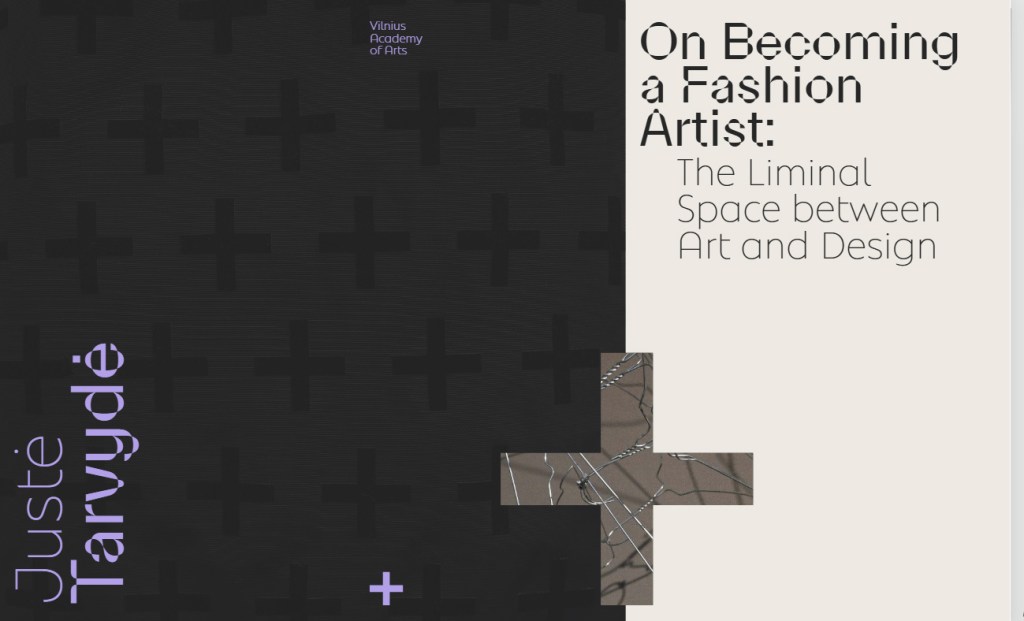
ON BECOMING A FASHION ARTIST – the liminal space between art and design
Summary
This article explores the emerging role of the fashion artist – an elusive figure positioned between fashion design and contemporary art. By detaching fashion artefacts from functionality and the body, the study investigates how garments can act as poetic, metaphorical agents in artistic contexts. Through conceptual recontextualization, fashion becomes a medium of non-verbal communication, capable of conveying layered cultural meanings. Drawing on theories from Bruno Latour and Daniel Miller, the work positions fashion objects as active agents in shaping identity and behavior. The author’s art object “(H)anger”, exhibited in “Costume & Contemplation on Religion”, exemplifies this approach by elevating a mundane item into an aesthetic inquiry. Influenced by Susan Sontag’s call for sensual, surface-level engagement, the study reclaims fashion’s narrative power beyond consumerism. Ultimately, the fashion artist emerges as a curator of cultural memory and critique, challenging disciplinary boundaries and reshaping our understanding of material culture.
Keywords: fashion art, object agency, artistic media, artistic research, disembodiment, ready-made
Let’s say that in general fashion designers shape silhouettes and fashion stylists craft visual narratives. What about fashion artists? The role of those lingers in a more uncertain space, somewhere between disciplines, between categories. Does such a figure exist at all, or are fashion and art forever destined to orbit in separate spheres? In my current PhD research, I find myself drawn to that “in-between”. I’m investigating how fashion – when detached from its functionality and bodily context – can “speak” a different language. By extracting fashion artefacts from their usual surroundings and placing them within the contemplative space of art, I seek to understand their poetic potential, their capacity to carry metaphor, memory, and meaning. It is here, in this liminal space, that I look for the role of the fashion artist who uses fashion not as commodity, but as an artistic concept. I’m currently exploring the landscape of art, trying to find the place of fashion here and investigate the role of an artist, that uses fashion as an artistic media. And, luckily, I’m so not alone. Employing fashion artefacts as my main inspiration, I’m aiming to take them away from their conventional context, disconnect from the body and put on a pedestal of an art space.
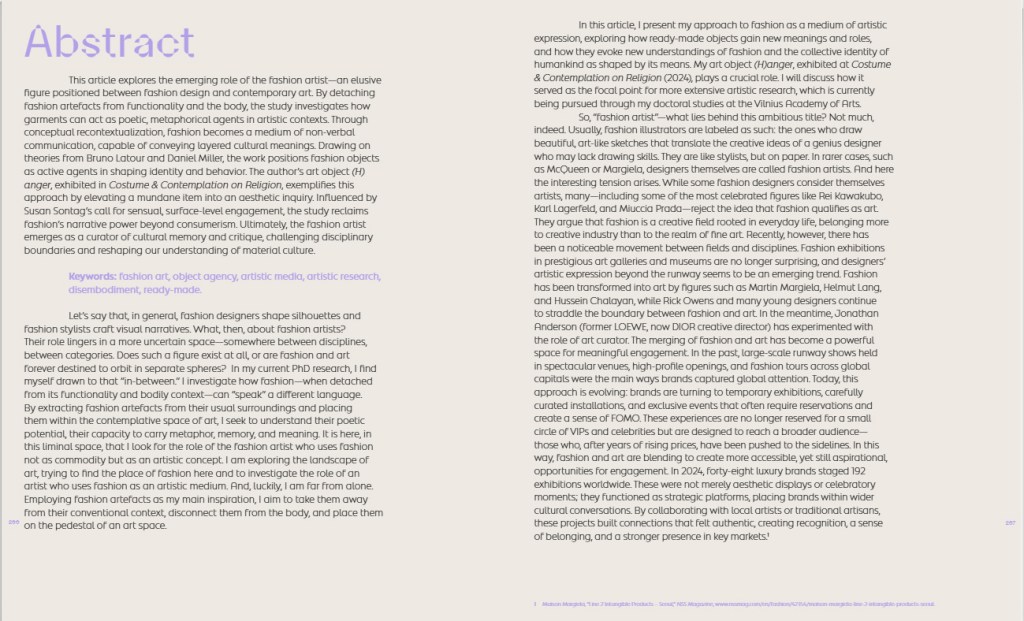
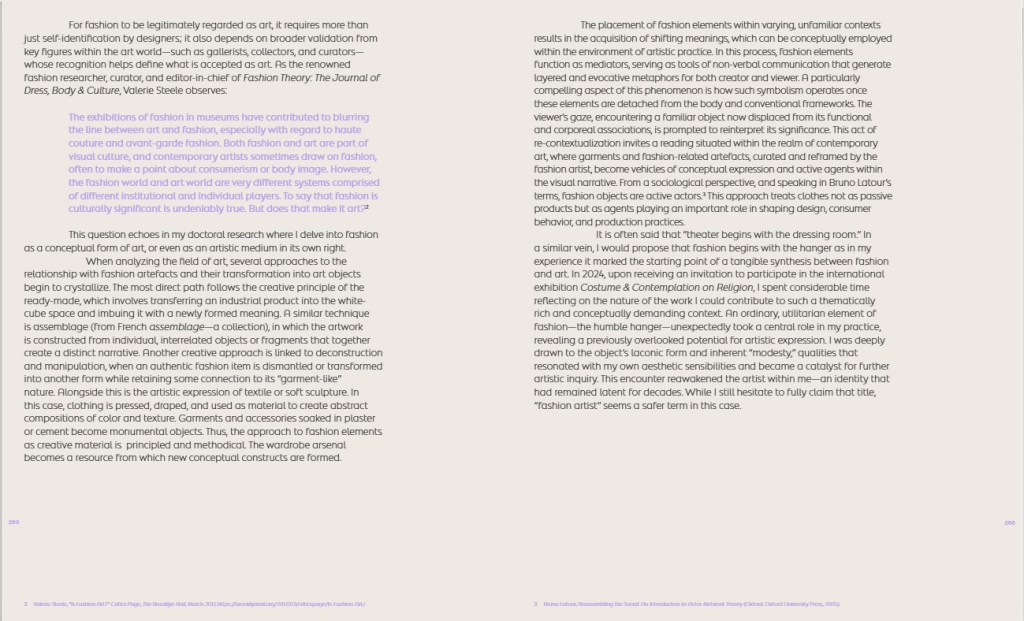
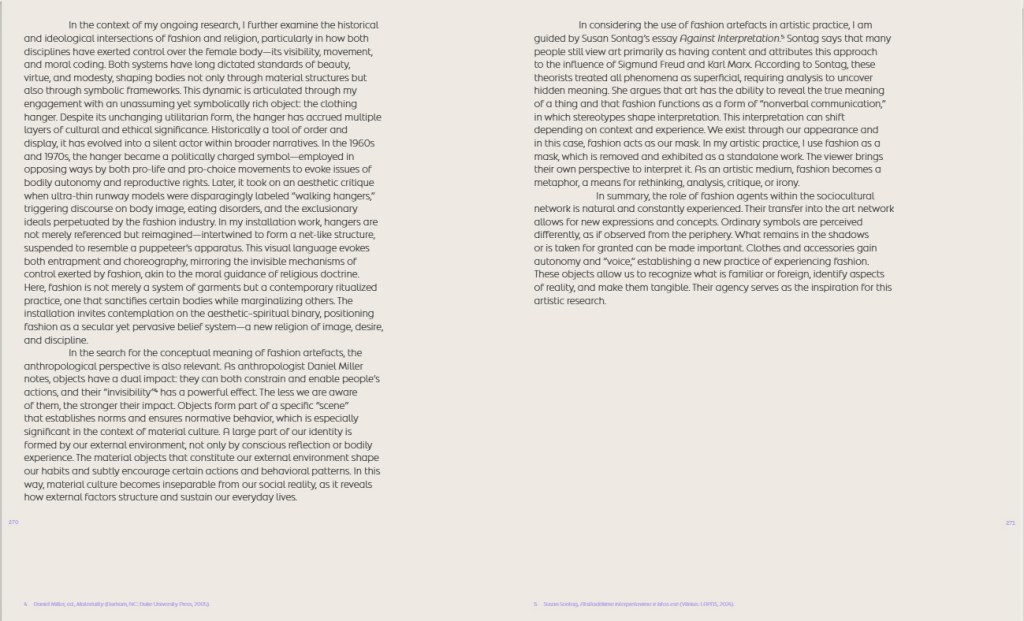
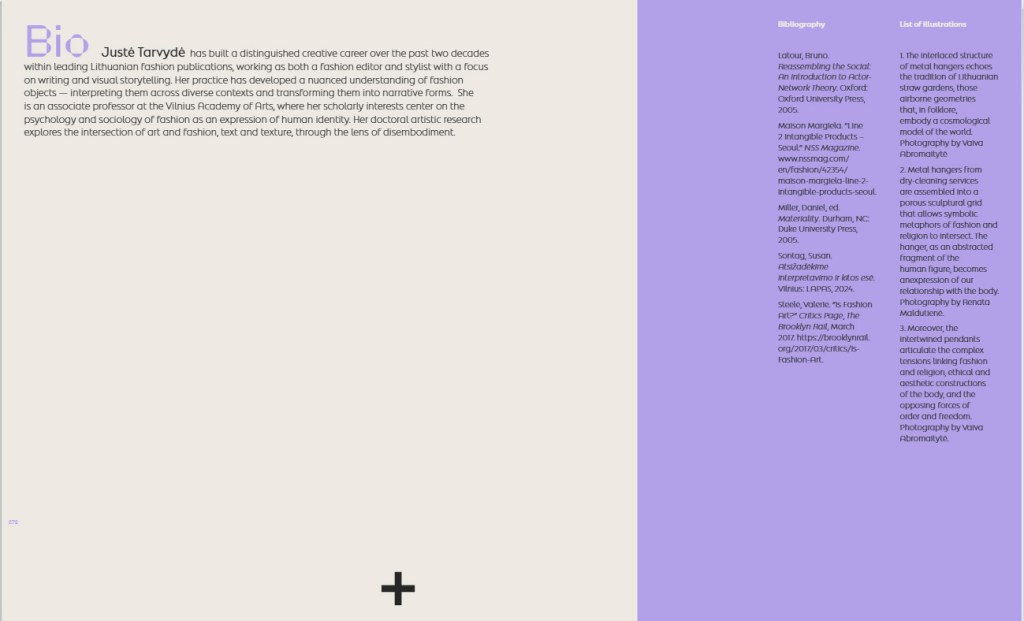
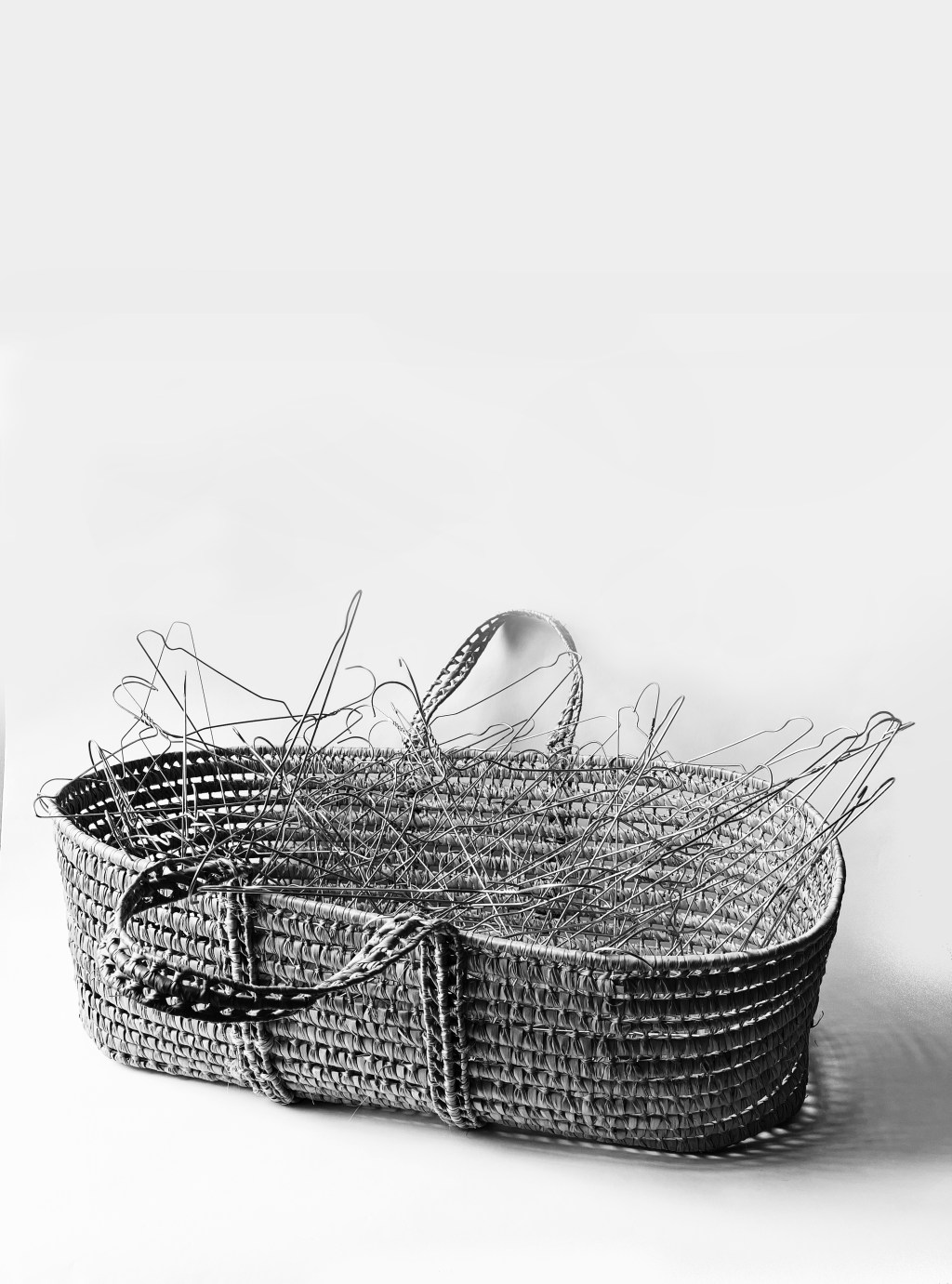
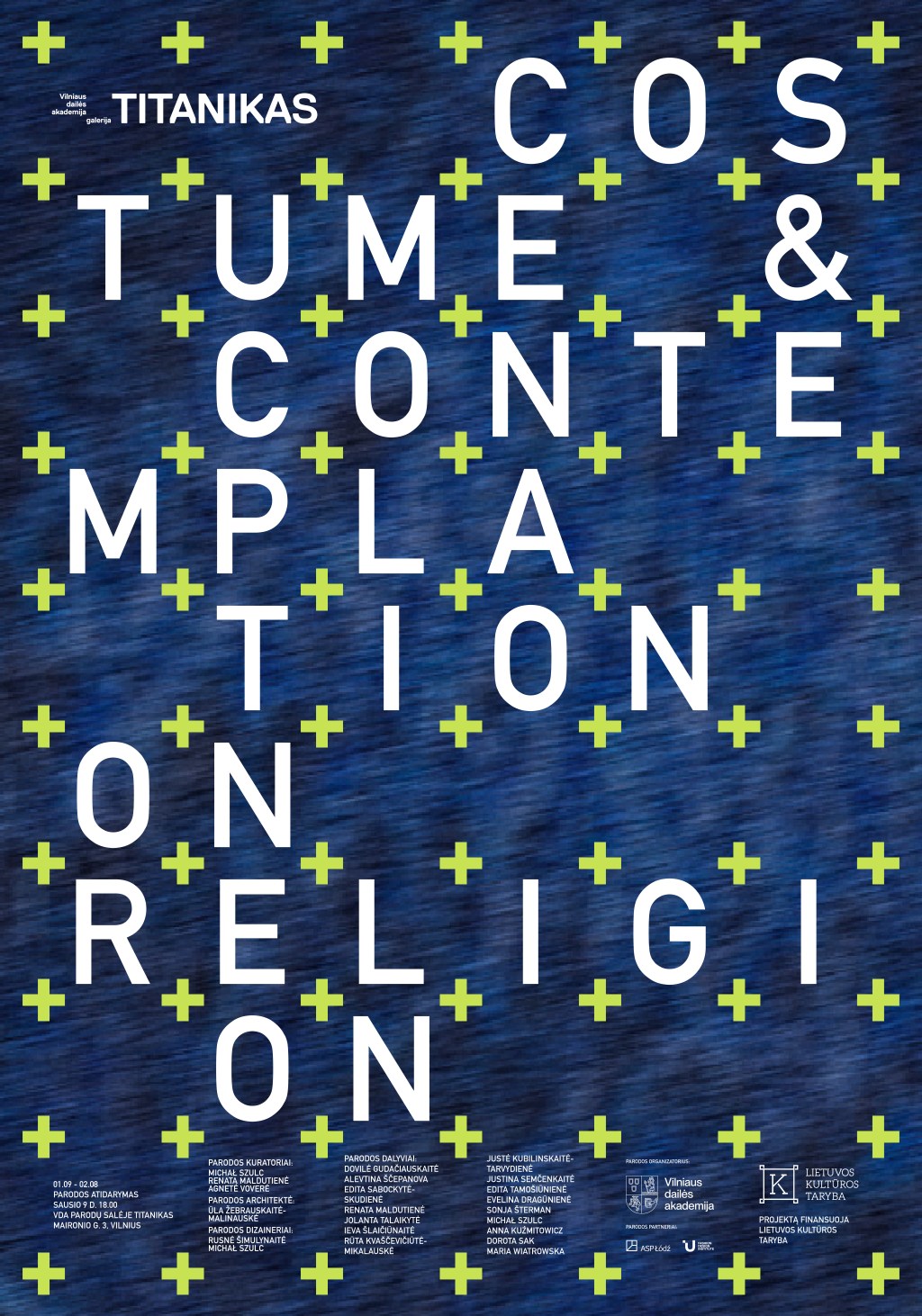
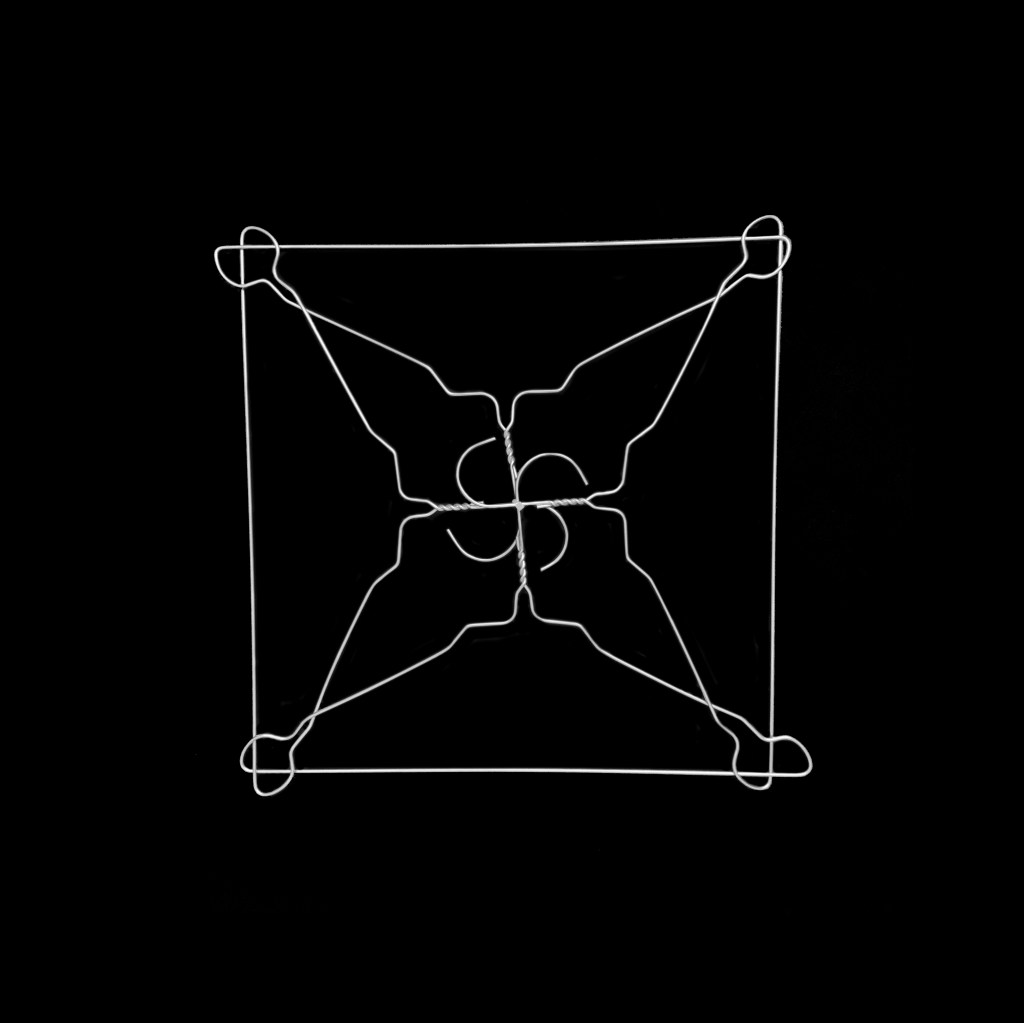
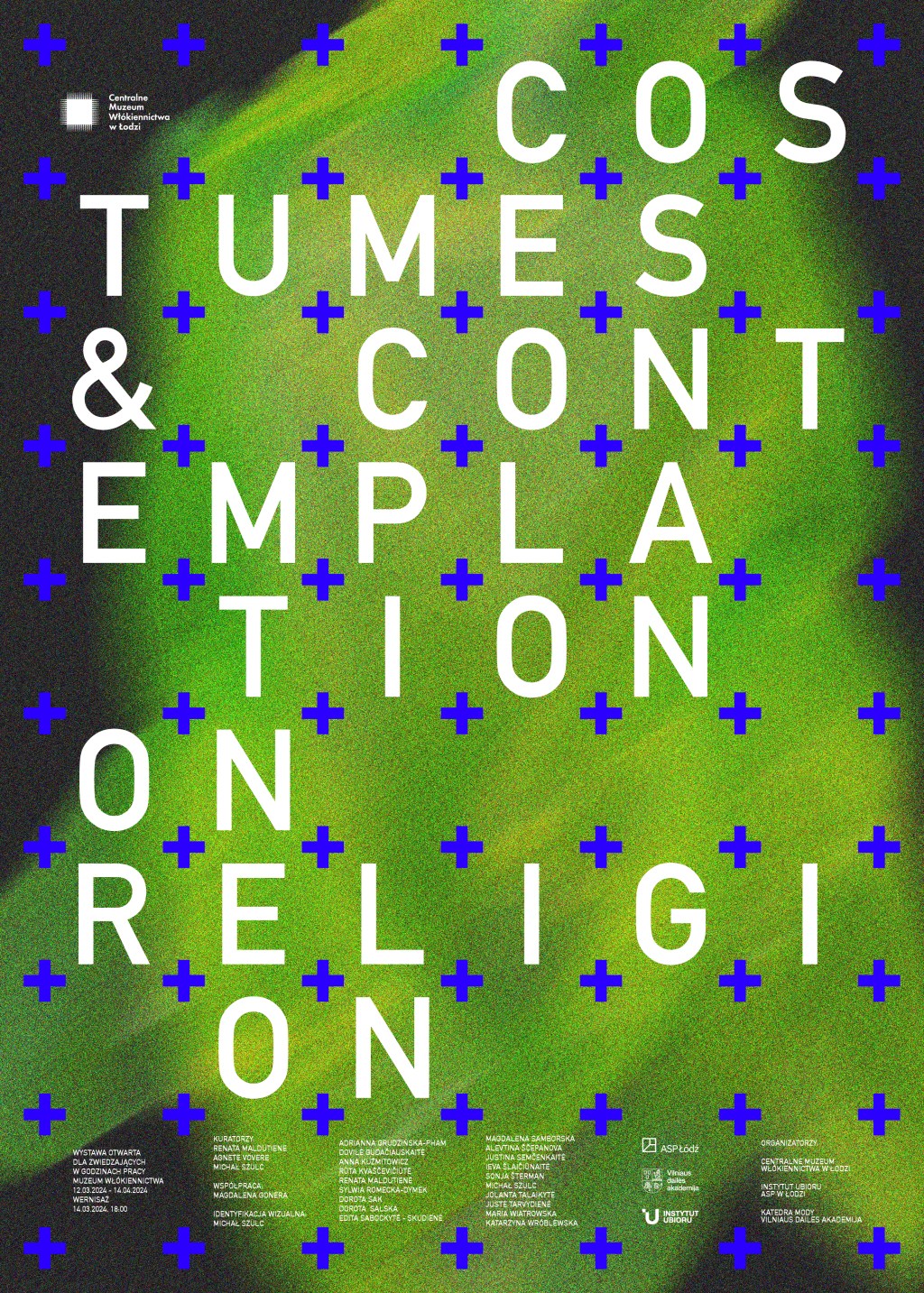
In this article I will present my approach to fashion as a medium of artistic expression, exploring how ready-made objects gain new meanings and roles, how they evoke new understandings about fashion and the collective identity of humankind created by its means. My art object “(H)anger”, exhibited at the “Costume & Contemplation on Religion” (2024) exhibition, plays a crucial role. I will speak about how it served as the focal point for more extensive artistic research, which is currently being pursued through my doctoral studies at Vilnius Academy of Arts.
So, „fashion artist “, what lies behind this ambitious title? Not much indeed. Usually, fashion illustrators are named so. The ones who draw beautiful, art-like sketches, that translates the creative ideas of a genius designer who likely has no drawing skills. They are like stylist, but on paper. In rarer cases, such as McQueen or Margiela, designers are labeled as fashion artist. And here the funny thing happens. While some fashion designers consider themselves artists, many – including some of the most celebrated figures like Rei Kawakubo, Karl Lagerfeld, and Miuccia Prada – reject the idea that fashion qualifies as art. They argue that fashion is a creative field rooted in everyday life and belongs more to creative industry than to the realm of fine art.Recently, however, there has been a noticeable movement between fields and disciplines. While fashion exhibitions in prestigious art galleries and museums no longer come as a surprise, designers’ artistic expression beyond the runway seems to be an emerging trend. Fashion has been transformed into art by Martin Margiela, Helmut Lang, Hussein Chalayan, while Rick Owens and many young designers constantly straddle the boundary between fashion and art. In the meantime, Jonathan Anderson (former LOEWE, now DIOR creative director) tried an art curators’ shoes. The merging of fashion and art has become a powerful space for meaningful engagement. In the past, large-scale runway shows held in spectacular venues, openings in key cities, and fashion tours moving from one capital to another were the main ways brands captured global attention. Today, this approach is evolving: brands are turning to temporary exhibitions, carefully curated installations, and exclusive events that often require reservations and create a sense of FOMO. These experiences are no longer reserved for a small circle of VIPs and celebrities but are designed to reach a broader audience – those who, after years of rising prices, have been pushed to the sidelines. In this way, fashion and art are blending to create more accessible, yet still aspirational, opportunities for engagement. In 2024, 48 luxury brands staged 192 exhibitions worldwide. These weren’t just aesthetic displays or celebratory moments; they worked as strategic platforms, placing brands within a wider cultural conversation. By collaborating with local artists or traditional artisans, these projects-built connections that felt authentic, creating recognition, a sense of belonging, and a stronger presence in key markets.[1]
For fashion to be legitimately regarded as art, it would require more than just self-identification by designers; it would also depend on broader validation from key figures within the art world – such as gallerists, collectors, and curators – whose recognition contributes to defining what is accepted as art. To quote the famous fashion researcher, curator and editor-in-chief of “Fashion Theory: The Journal of Dress, Body & Culture” Valerie Steele: The exhibitions of fashion in museums has contributed to blurring the line between art and fashion, especially with regard to haute couture and avant-garde fashion. Both fashion and art are part of visual culture, and contemporary artists sometimes draw on fashion, often to make a point about consumerism or body image. However, the fashion world and art world are very different systems comprised of different institutional and individual players. To say that fashion is culturally significant is undeniably true. But does that make it art?[2] This question echoes in my doctoral research where I delve into fashion as a conceptual form of art or even as an artistic media in its own right.
When analyzing the field of art, several approaches to the relationship with fashion artifacts and their transformation into art objects begin to crystallize. The most direct path follows the creative principle of ready-made, which involves transferring an industrial product into the white cube space and imbuing it with a newly formed meaning. A similar technique is assemblage (from French assemblage – a collection), where the artwork is constructed from individual, interrelated objects or fragments that create a distinct narrative. Another creative approach is linked to deconstruction and manipulation, where an authentic fashion item is dismantled or transformed into another form, yet retains some connection to its “garment-like” nature. Alongside this, there is also the artistic expression of textile or soft sculpture. In this case, clothing is pressed, draped, and used as material to create abstract color and texture solutions. Garments and accessories soaked in plaster or cement become monumental objects. Thus, the approach to fashion elements as creative material is a principled, methodical one. The wardrobe arsenal becomes a resource from which new conceptual constructs are formed.
The placement of fashion elements within varying, unfamiliar contexts results the acquisition of shifting meanings, which can be conceptually employed within the environment of artistic practice. In this process, fashion elements function as mediators, serving as tools of non-verbal communication that generate layered and evocative metaphors for both creator and viewer. A particularly compelling aspect of this phenomenon is the manner in which such symbolism operates once these elements are detached from the body and conventional frameworks. The viewer’s gaze, encountering a familiar object now displaced from its functional and corporeal associations, is prompted to reinterpret its significance. This act of re-contextualization invites a reading situated within the realm of contemporary art, where garments and fashion-related artefacts, curated and reframed by the fashion artist, become vehicles of conceptual expression and active agents within the visual narrative. Taking a sociological perspective and speaking in Bruno Latour’s terms, fashion objects are active actors[3]. This perspective treats clothes not as passive products but as agents playing an important role in shaping design, consumer behavior, and production practices.
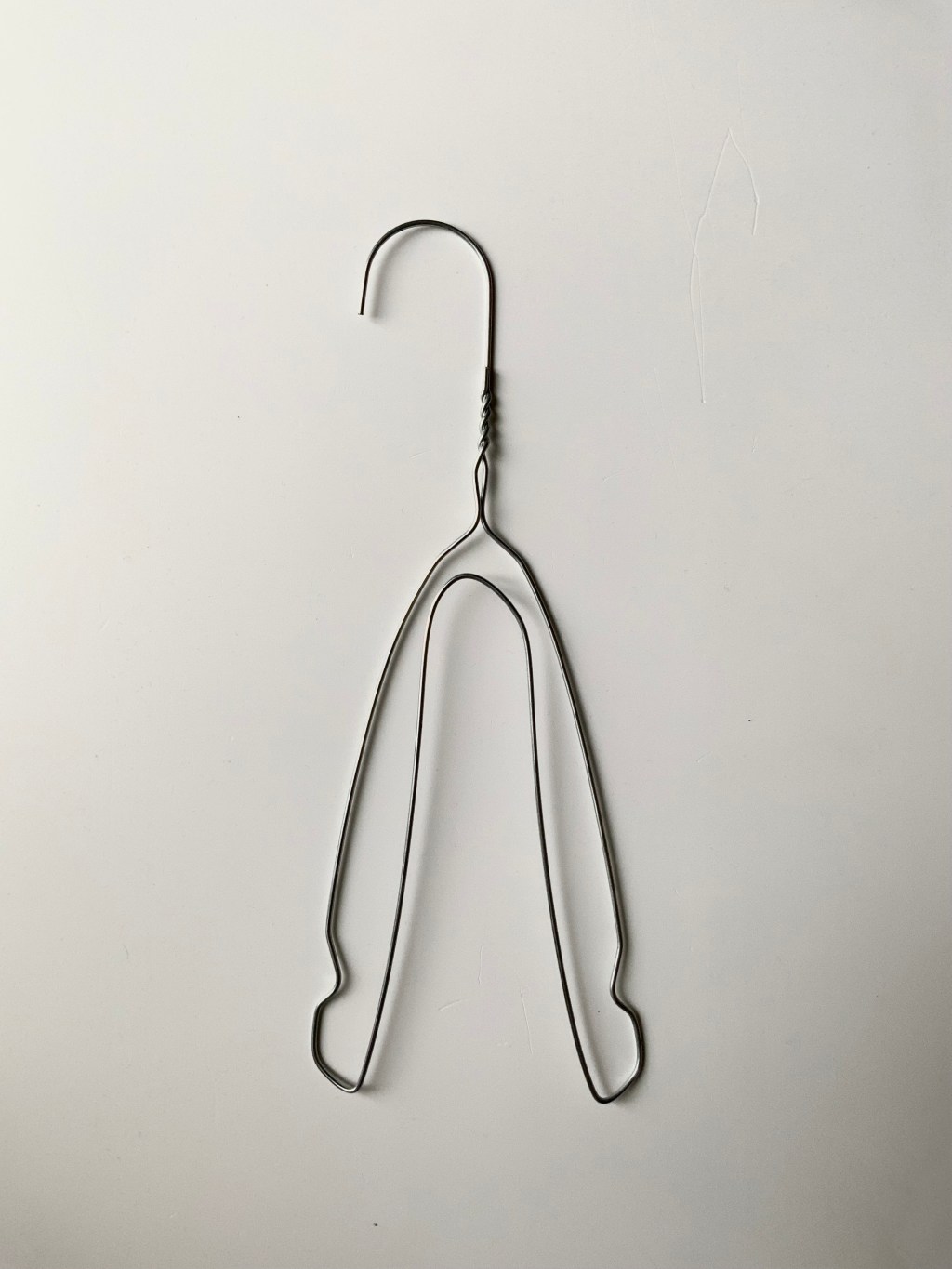
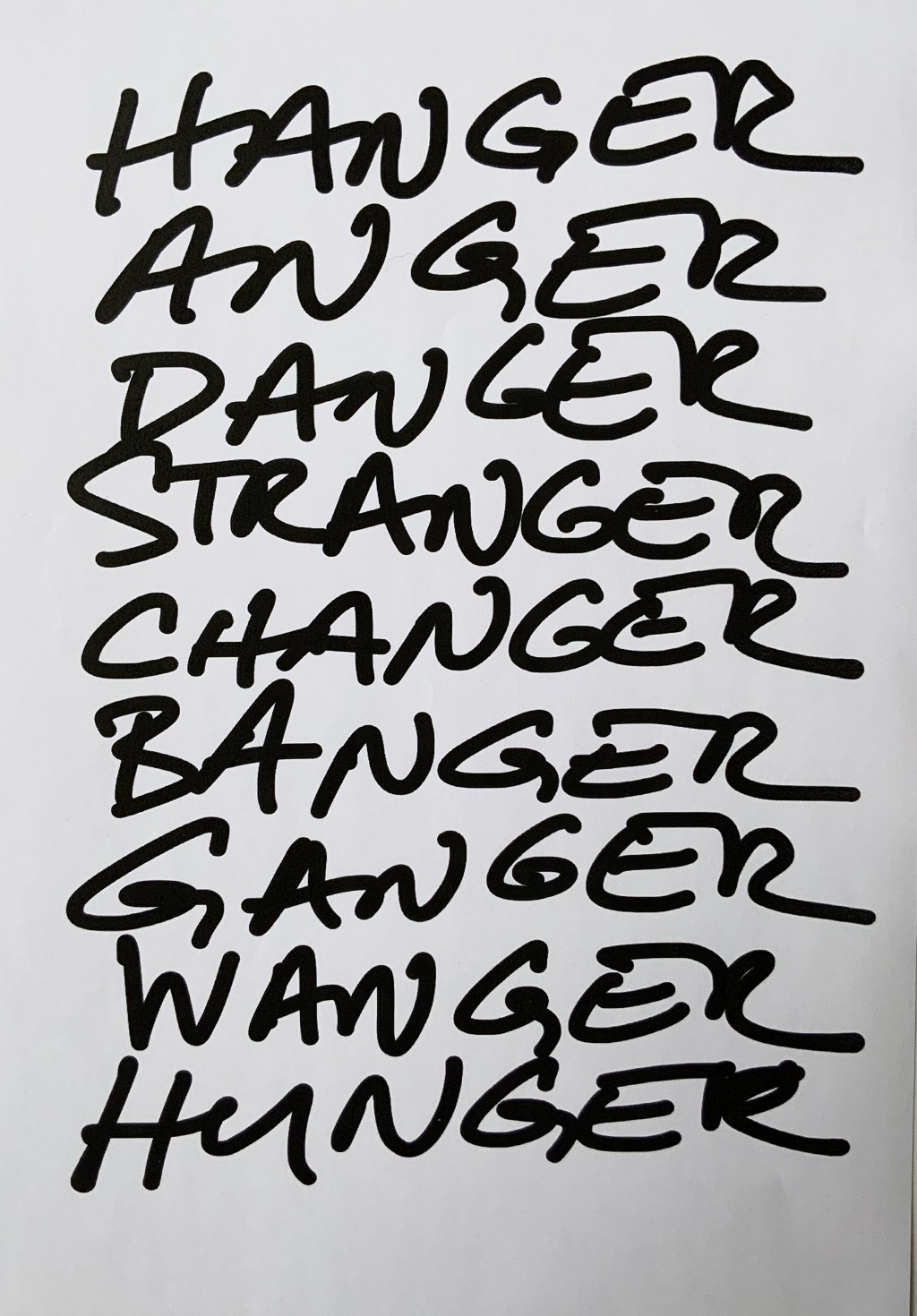
It is often said that “theater begins with the dressing room.” In a similar vein, I would propose that fashion begins with the hanger as in my experience it marked the starting point of a tangible synthesis between fashion and art. In 2024, upon receiving an invitation to participate in the international exhibition “Costume & Contemplation on Religion”, I spent considerable time reflecting on the nature of the work I could contribute to such a thematically rich and conceptually demanding context. An ordinary, utilitarian element of fashion – the humble hanger – unexpectedly took a central role in my practice, revealing a previously overlooked potential for artistic expression. I was deeply drawn to the object’s laconic form and inherent “modesty,” qualities that resonated with my own aesthetic sensibilities and became a catalyst for further artistic inquiry. This encounter reawakened the artist within me – an identity that had remained latent for decades. While I still hesitate to fully claim that title (fashion artist in this case is more safe term though).
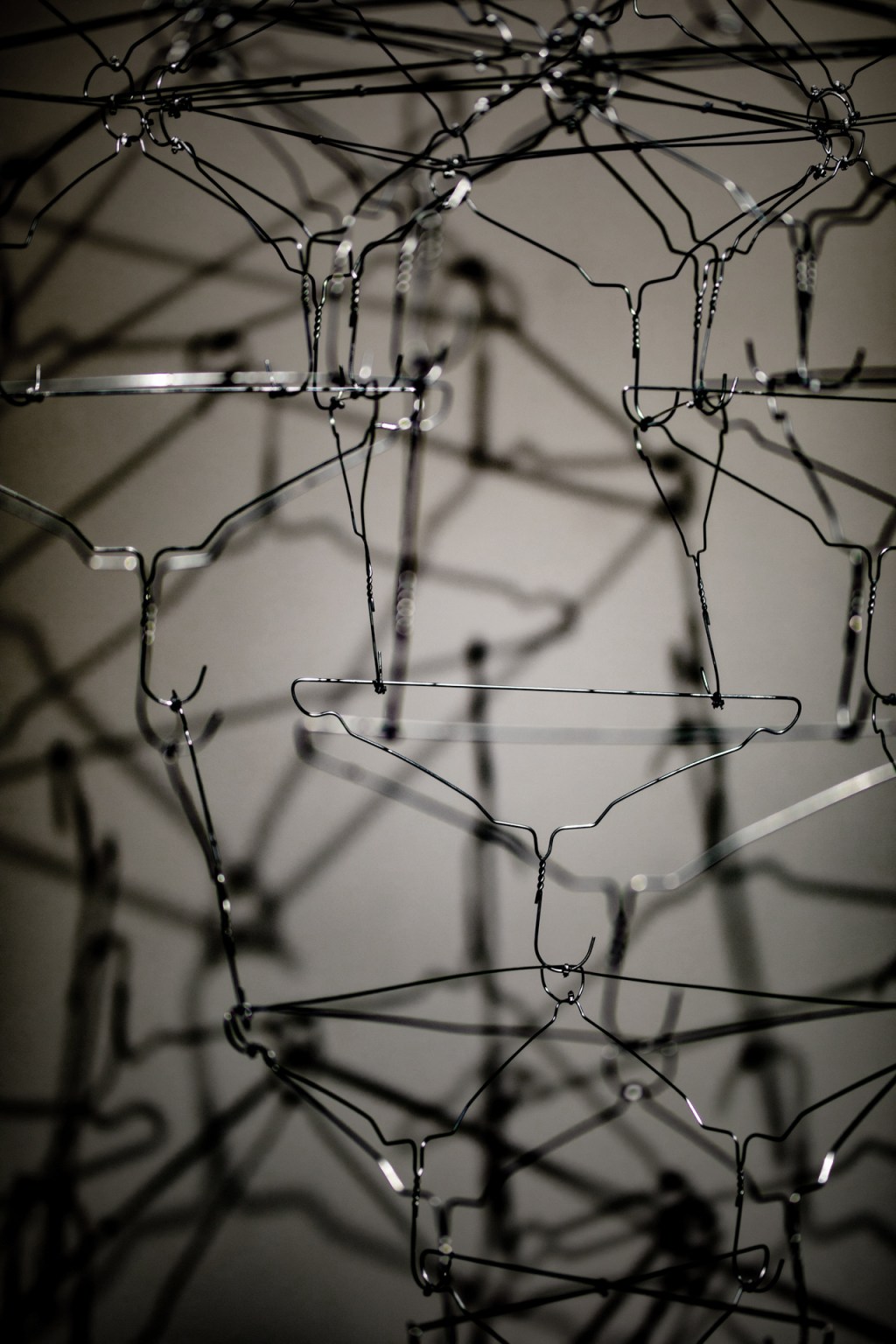
In the context of my ongoing research, I further examine the historical and ideological intersections of fashion and religion, particularly in how both disciplines have exerted control over the female body – its visibility, movement, and moral coding. Both systems have long dictated standards of beauty, virtue, and modesty, shaping bodies not only through material structures but also through symbolic frameworks. This dynamic is articulated through my engagement with an unassuming yet symbolically rich object: the clothing hanger. Despite its unchanging utilitarian form, the hanger has accrued multiple layers of cultural and ethical significance. Historically a tool of order and display, it has evolved into a silent actor within broader narratives. In the 1960s and 70s, the hanger became a politically charged symbol – employed in opposing ways by both pro-life and pro-choice movements to evoke issues of bodily autonomy and reproductive rights. Later, it took on an aesthetic critique when ultra-thin runway models were disparagingly labeled “walking hangers,” triggering discourse on body image, eating disorders, and the exclusionary ideals perpetuated by the fashion industry. In my installation work, hangers are not merely referenced but reimagined – intertwined to form a net-like structure, suspended to resemble a puppeteer’s apparatus. This visual language evokes both entrapment and choreography, mirroring the invisible mechanisms of control exerted by fashion, akin to the moral guidance of religious doctrine. Here, fashion is not merely a system of garments but a contemporary ritualized practice, one that sanctifies certain bodies and marginalizes others. The installation invites contemplation on the aesthetic-spiritual binary, positioning fashion as a secular yet pervasive belief system – a new religion of image, desire, and discipline.
In the search of conceptual meaning of fashion artefacts, the anthropological perspective is also relevant. As anthropologist D. Miller notes, objects have a dual impact: their influence can constrain or enable people’s actions; their “invisibility”[4] has a powerful effect. The less we are aware of them, the stronger their impact. They form part of a specific “scene” that sets norms and ensures normative behavior, which is especially significant in the context of material culture. A large part of our identity is formed by our external environment, not just conscious reflection or bodily experience. The material objects that create our external environment shape our habits and subtly encourage certain actions and behavioral patterns. In this way, material culture becomes inseparable from our social reality, because it helps us understand how external factor’s structure and support our everyday lives.
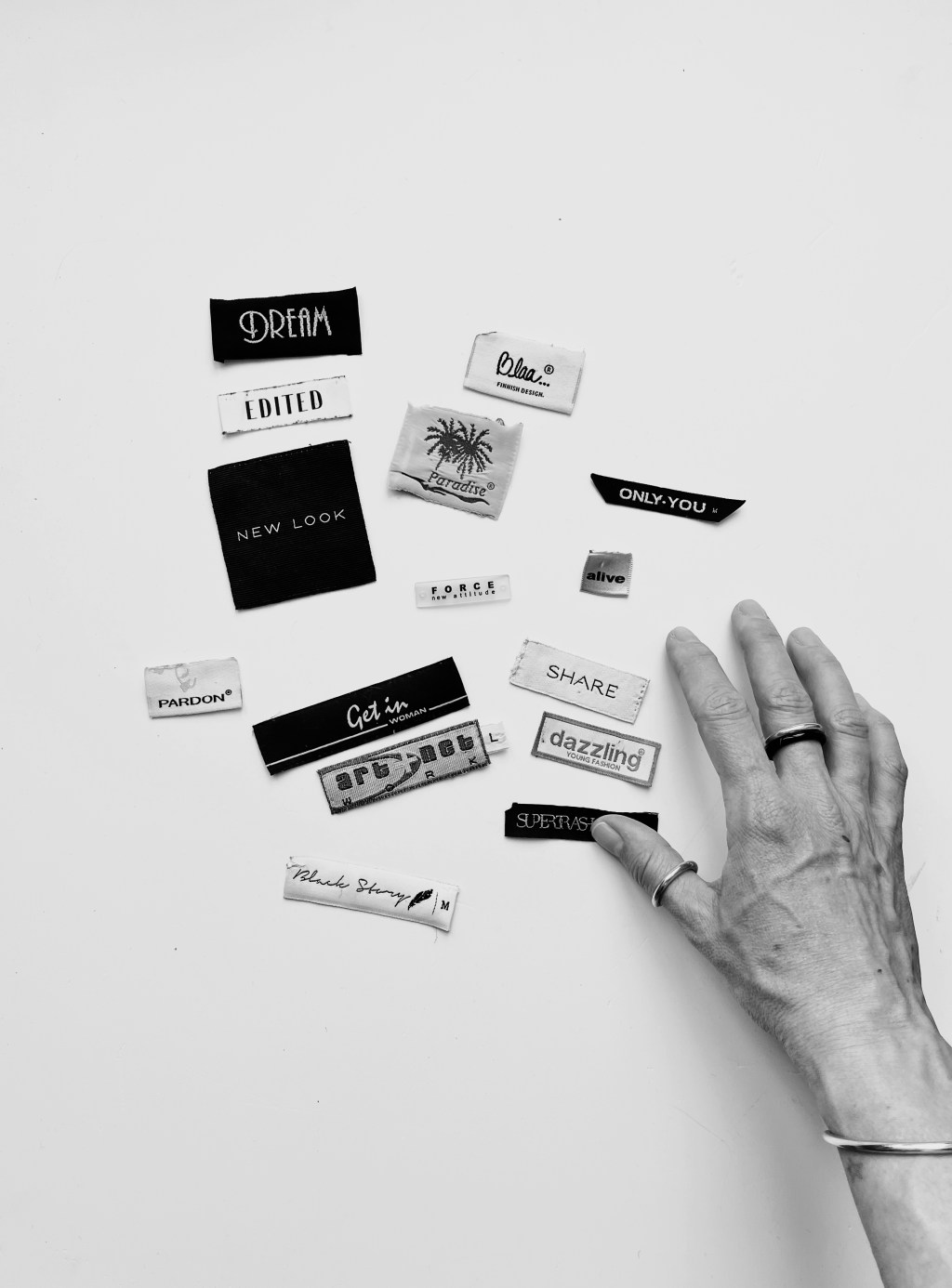
In considering the use of fashion artifacts in artistic practice, I’m guided by Susan Sontag’s essay “Against Interpretation”[5]. Sontag says that many people still see art as having a content and blames Z. Freud and K. Marx for influencing this idea. According to Sontag, these theorists believed that all phenomena are superficial and must be analyzed to find hidden meaning. Sontag says that art has the ability to reveal the true meaning of a thing and that fashion has a “nonverbal communication” where stereotypes influence its interpretation. This interpretation can change with context and experience. We exist through our appearance and in this case, fashion is our mask. In my artistic practice, I use fashion as a mask, which is removed and exhibited as a standalone work. The viewer uses their own perspective to interpret it. As the artistic medium, fashion becomes a metaphor, a means of rethinking, analysis, criticism, or irony of fashion.
In summary, fashion agents’ role in the sociocultural network is natural, constantly experienced. Their transfer to the art network takes on new expressions and concepts. Ordinary symbols are seen differently, as if observed from the side. What remains in the shadows or is taken for granted can be made important? Clothes and accessories become autonomous and have a “word,” a new practice of experiencing fashion. Things allow us to recognize what is our own or foreign, identify reality, and make it tangible. Their work as agents inspires this artistic research.
[1] http://www.nssmag.com/en/fashion/42354/maison-margiela-line-2-intangible-products-seoul
[2] Steele, Valerie. “Is Fashion Art?”, Critics page brooklynrail.org/2017/03/criticspage/Is-Fashion-Art/, 2017 March.
[3] Latour, Bruno. “Reassembling the Social. An Introduction to Actor-Network-Theory”. Oxford University Press, 2005.
[4] Miller, Daniel (editor). „Materiality“. Duke University Press, 2005.
[5] Sontag, Susan. „Atsižadėkime interpretavimo ir kitos esė“. LAPAS, 2024.
 FASHION EROSION