
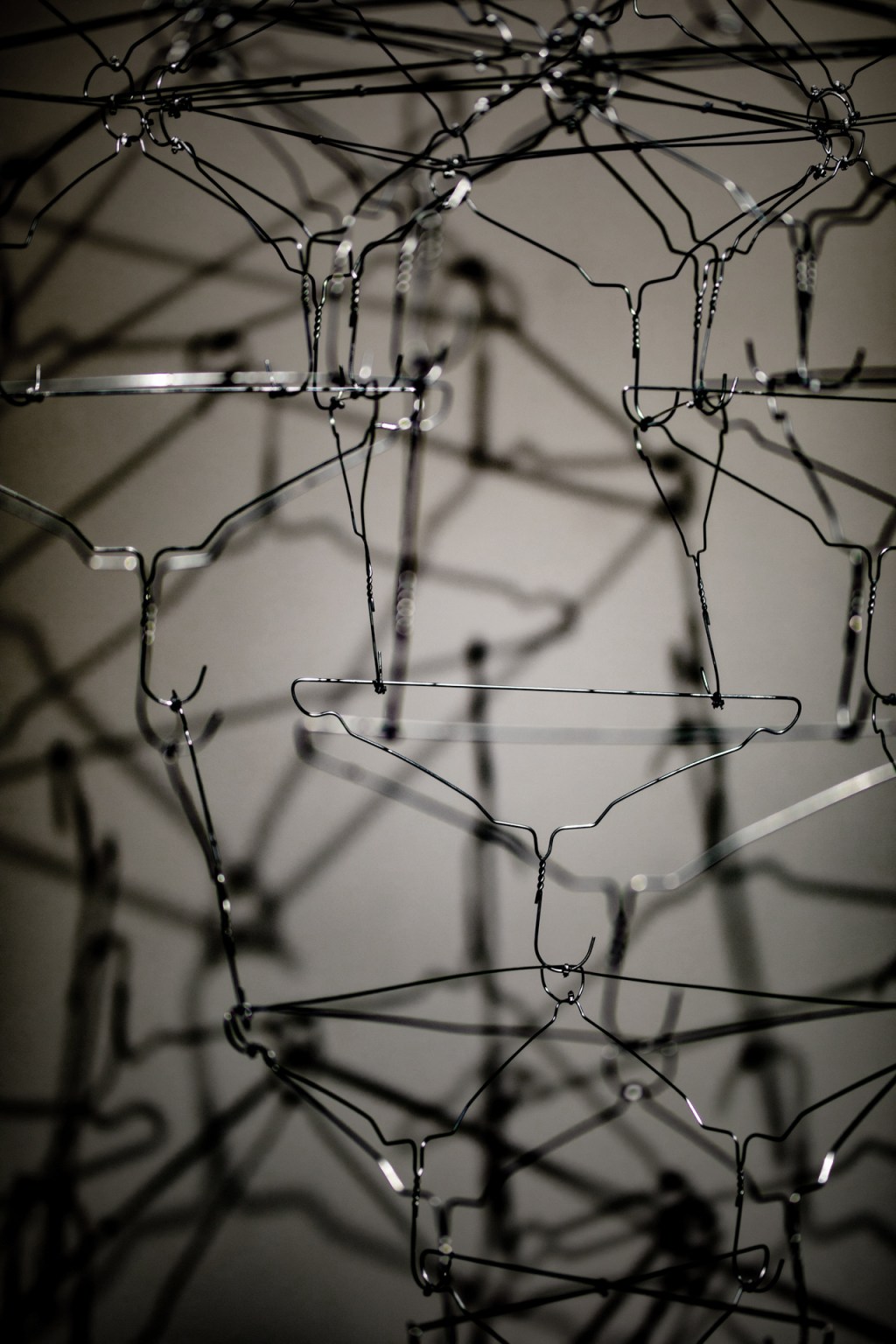
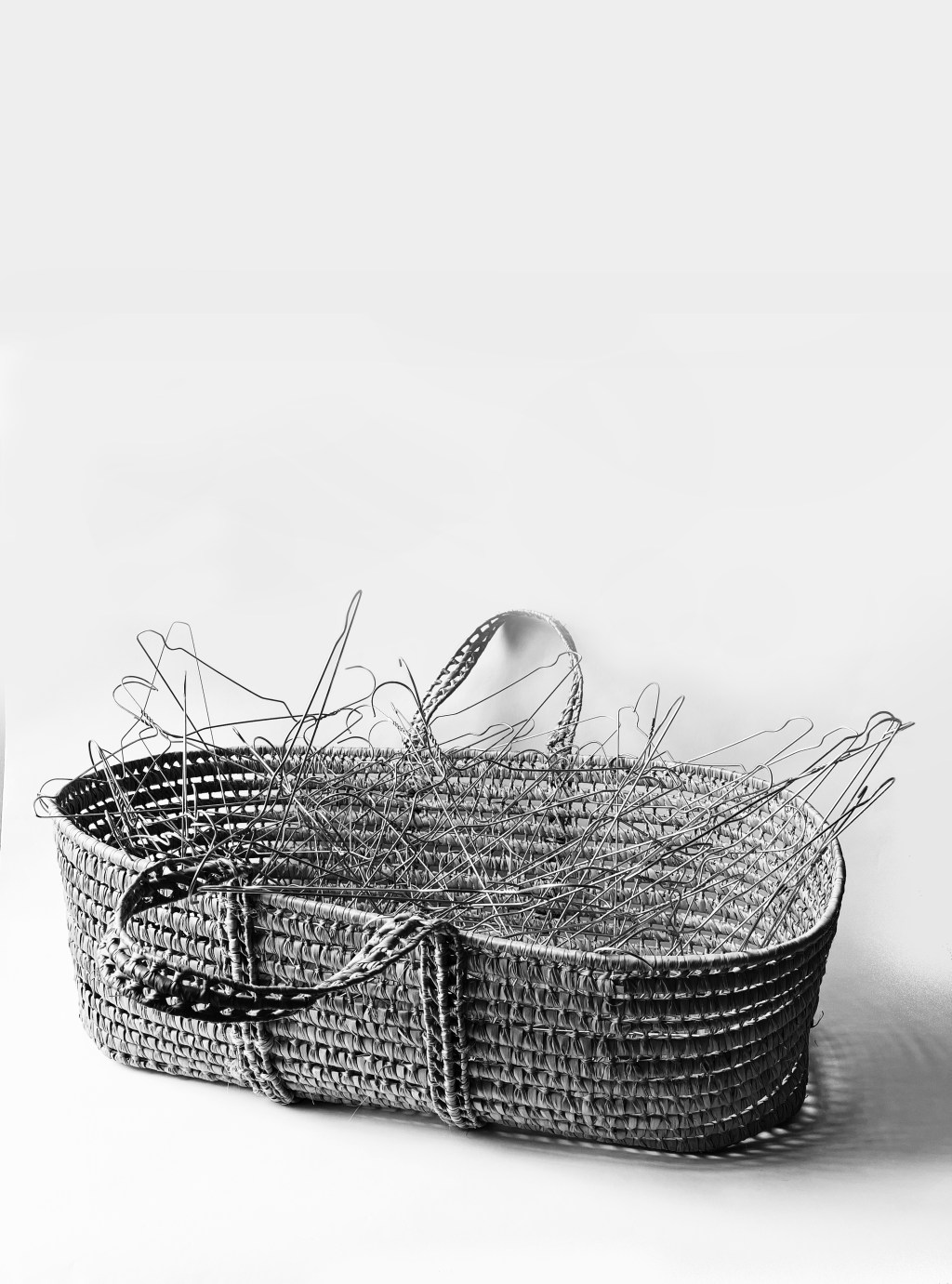
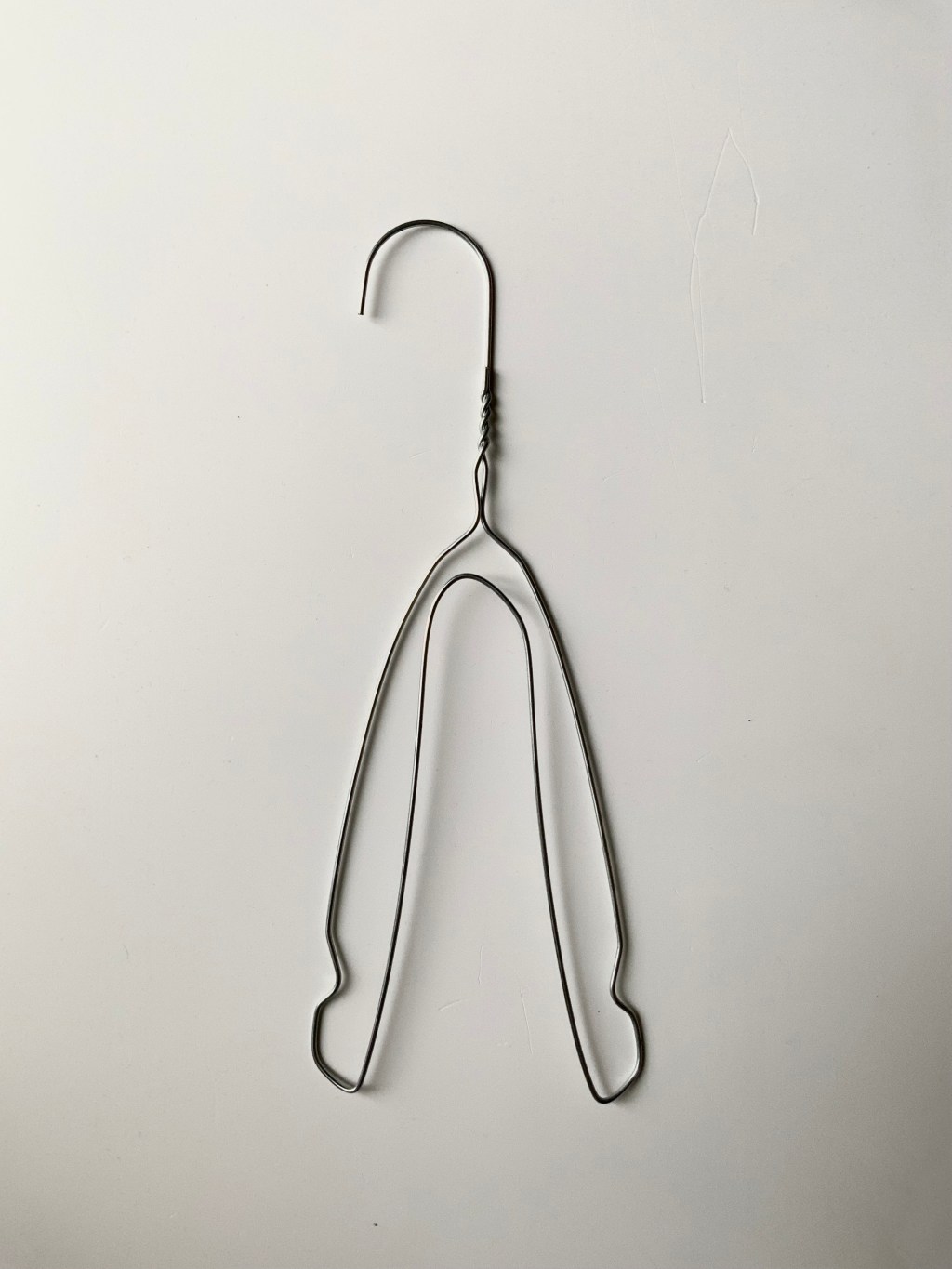
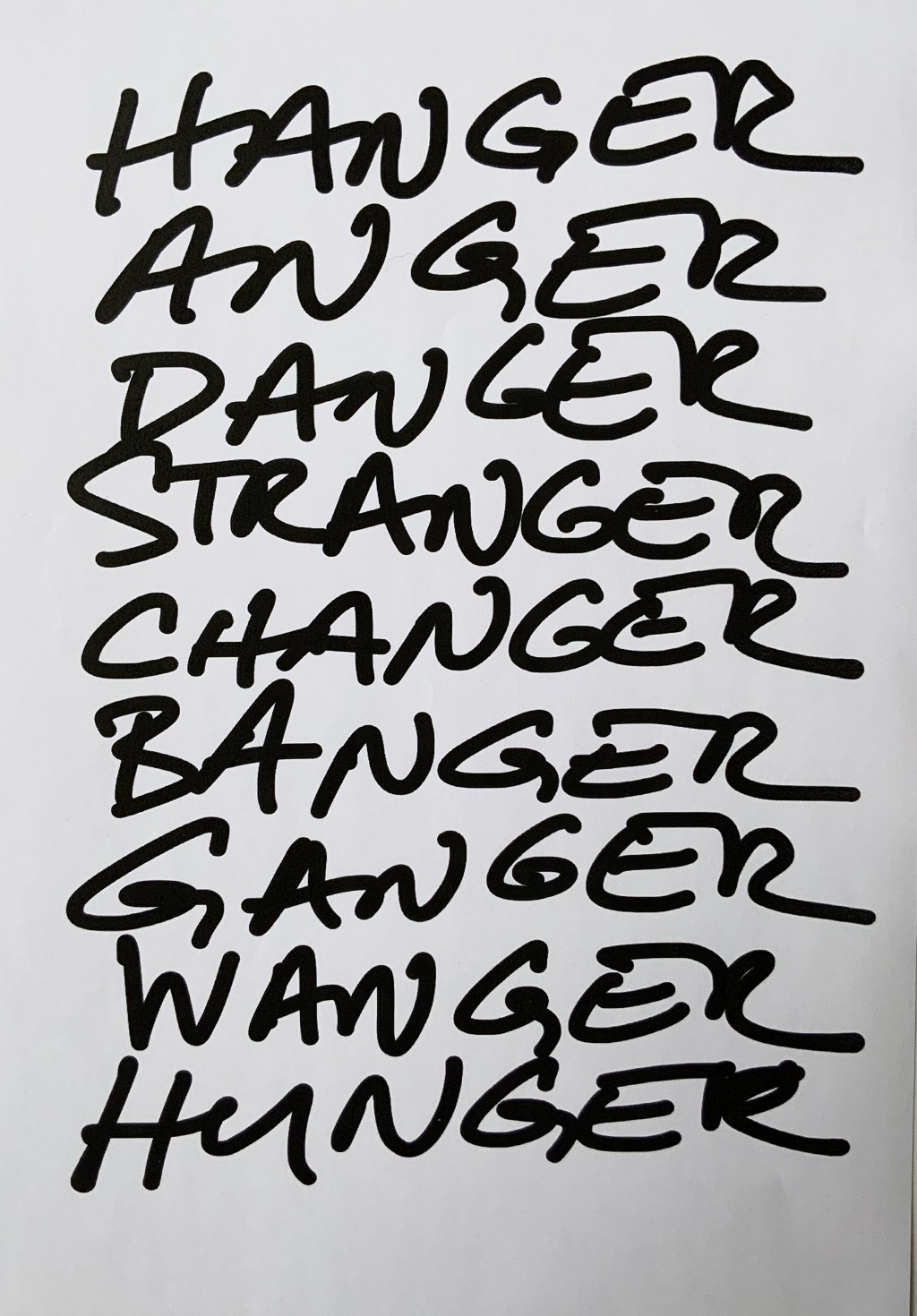
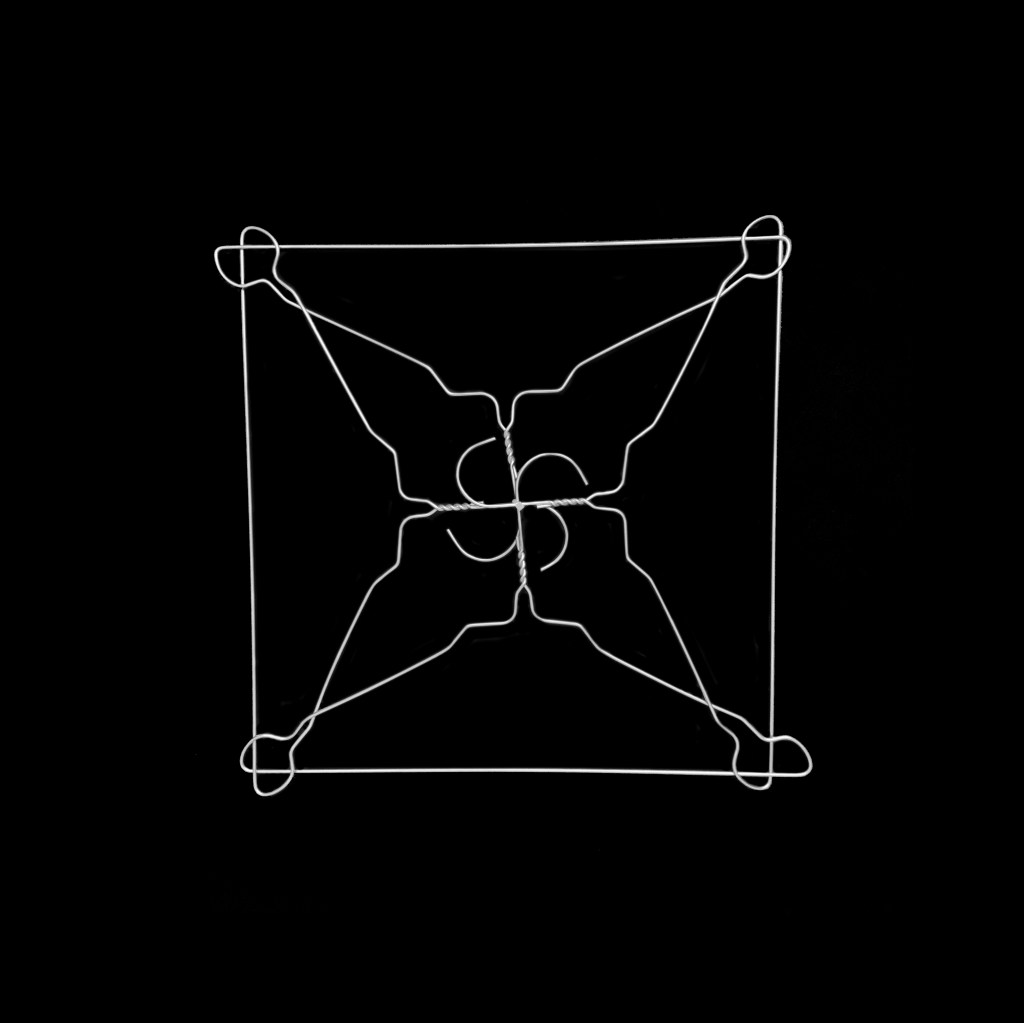
(h)anger | used dry-clen wire hangers | 2024
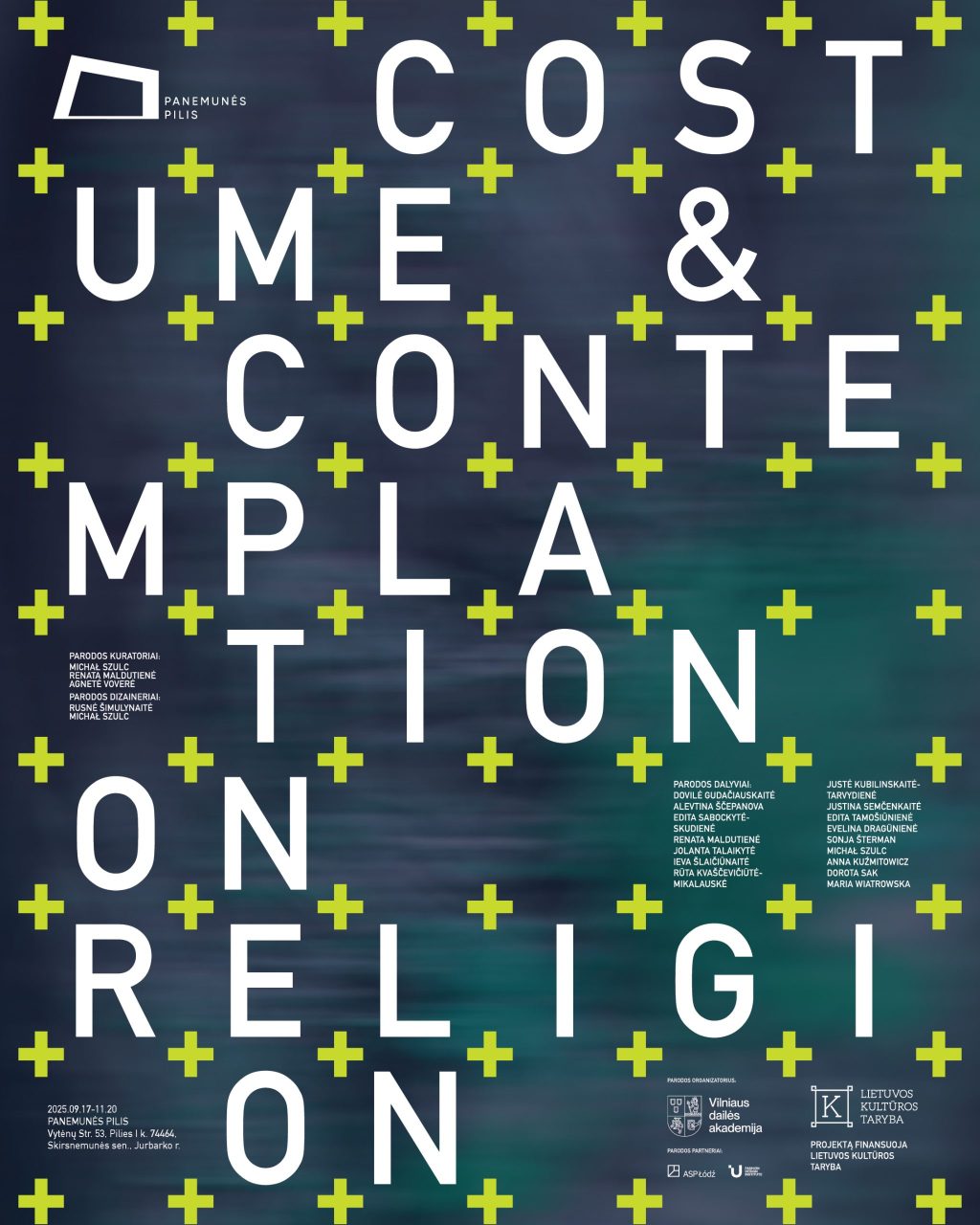
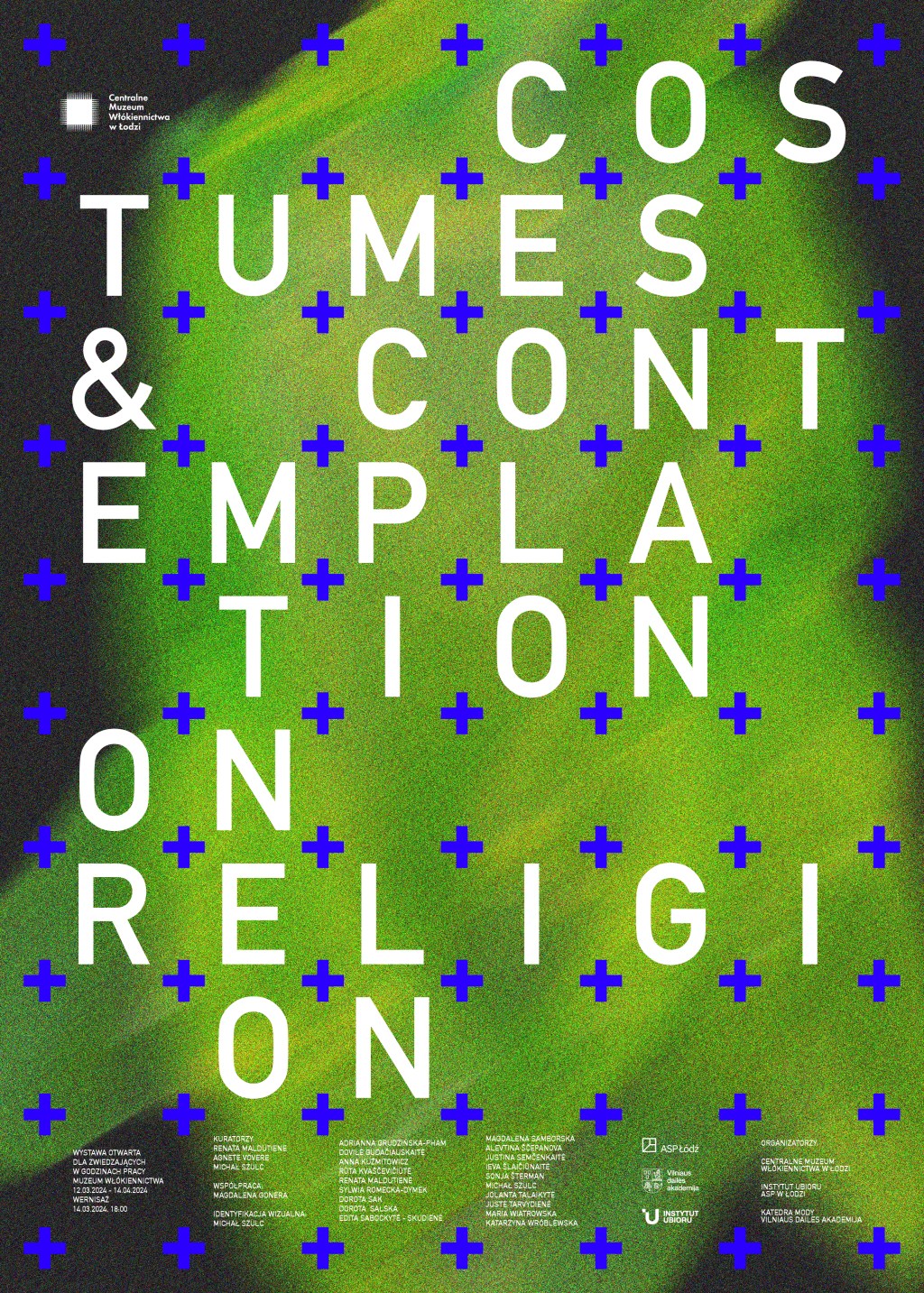
It is often said that “theater begins with a cloakroom. In similar vein I would propose that fashion begins with the hanger as in my experience it marked the starting point of a tangible synthesis between fashion and art. In 2024, upon receiving an invitation to participate in the international exhibition “Costume & Contemplation on Religion”, I spent considerable time reflecting on the nature of the work I could contribute to such a thematically rich and conceptually demanding context. An ordinary, utilitarian element of fashion — the humble hanger — unexpectedly took a central role in my practice, revealing a previously overlooked potential for artistic expression. I was deeply drawn to the object’s laconic form and inherent “modesty,” qualities that resonated with my own aesthetic sensibilities and catalyzed further artistic inquiry. This encounter reawakened the artist within me — an identity that had remained latent for decades.
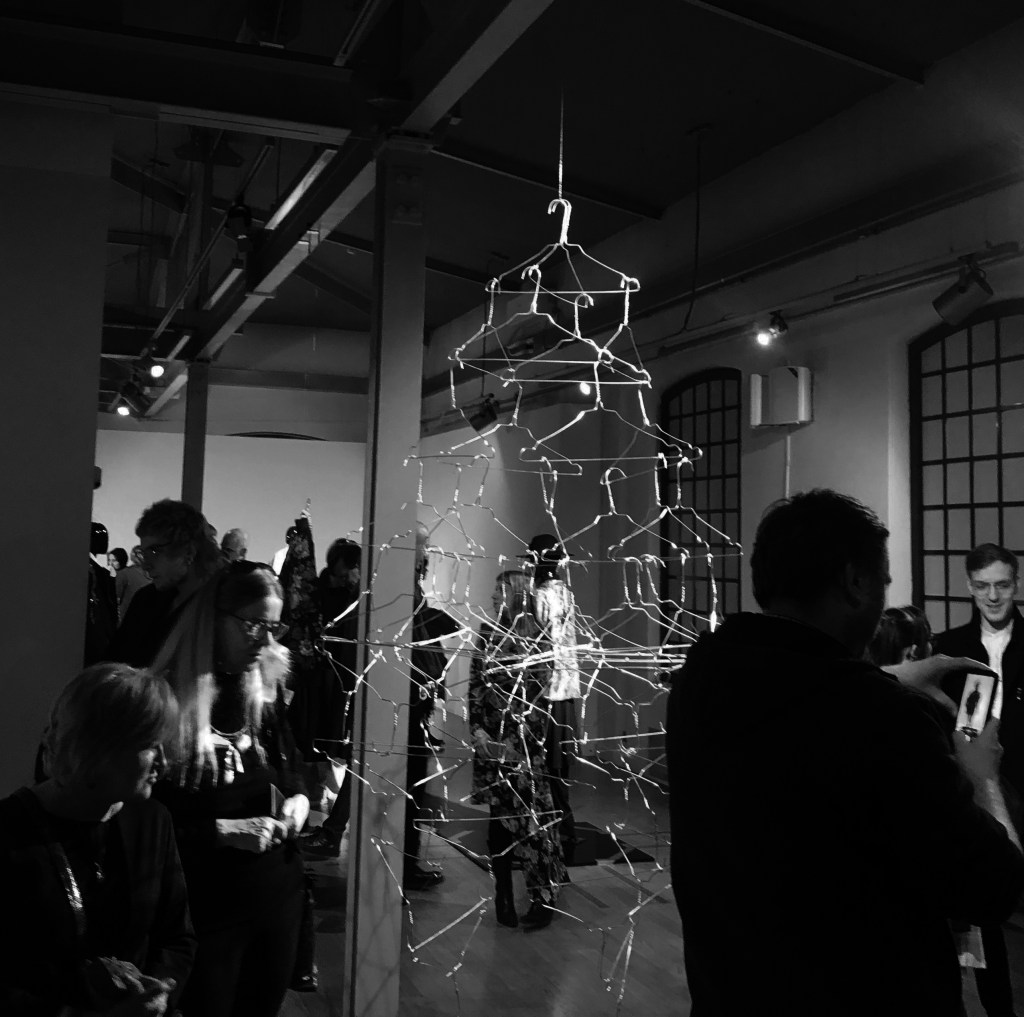
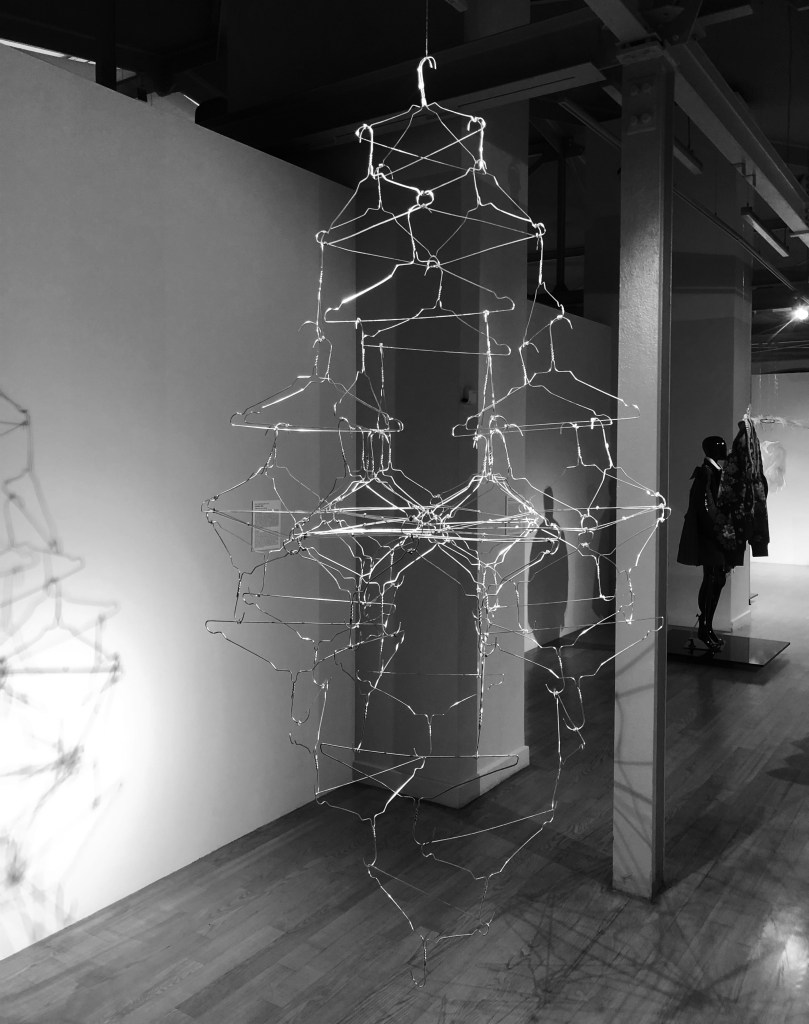
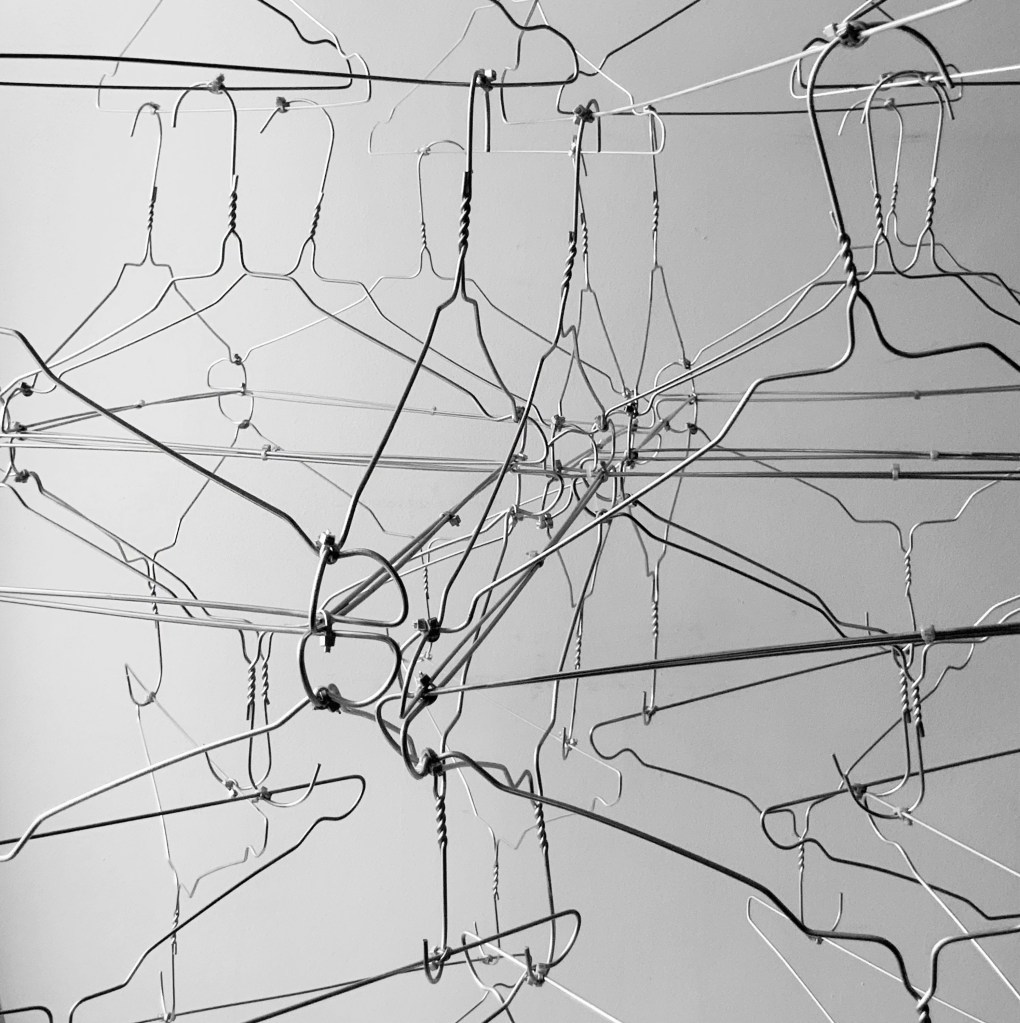
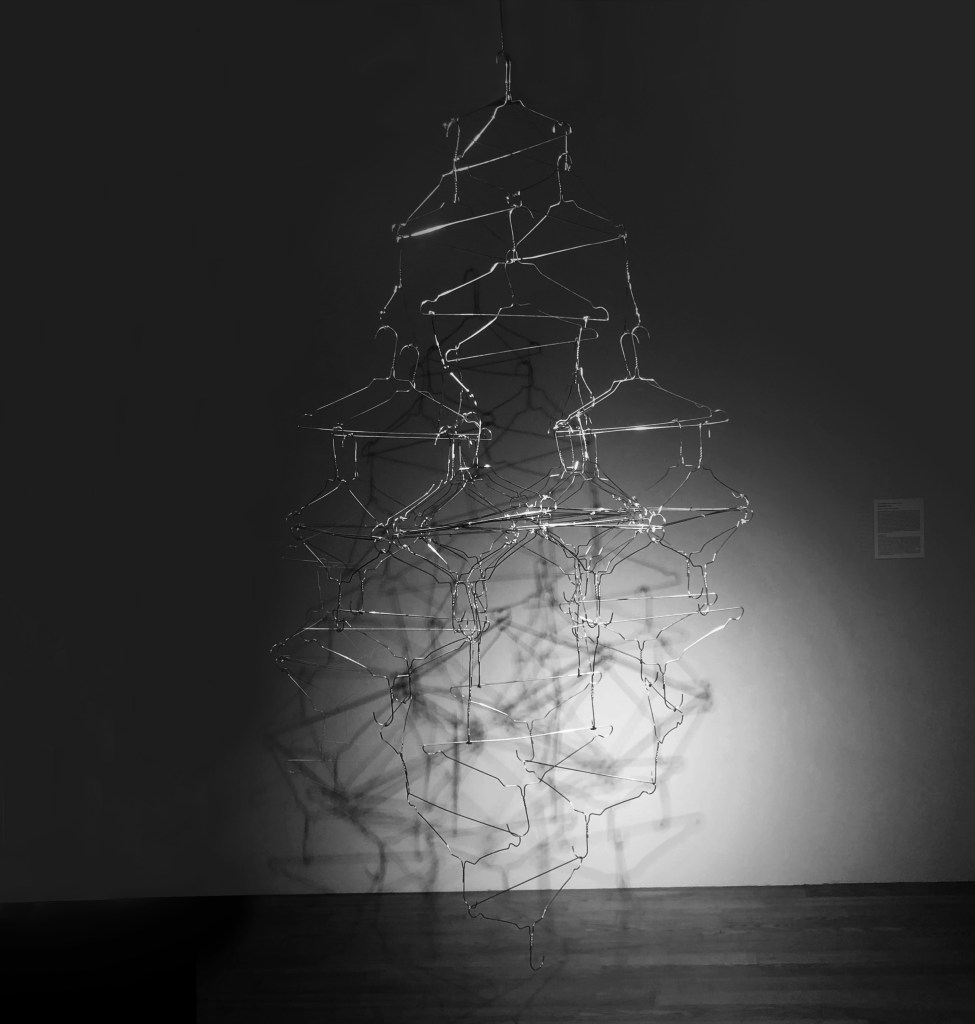
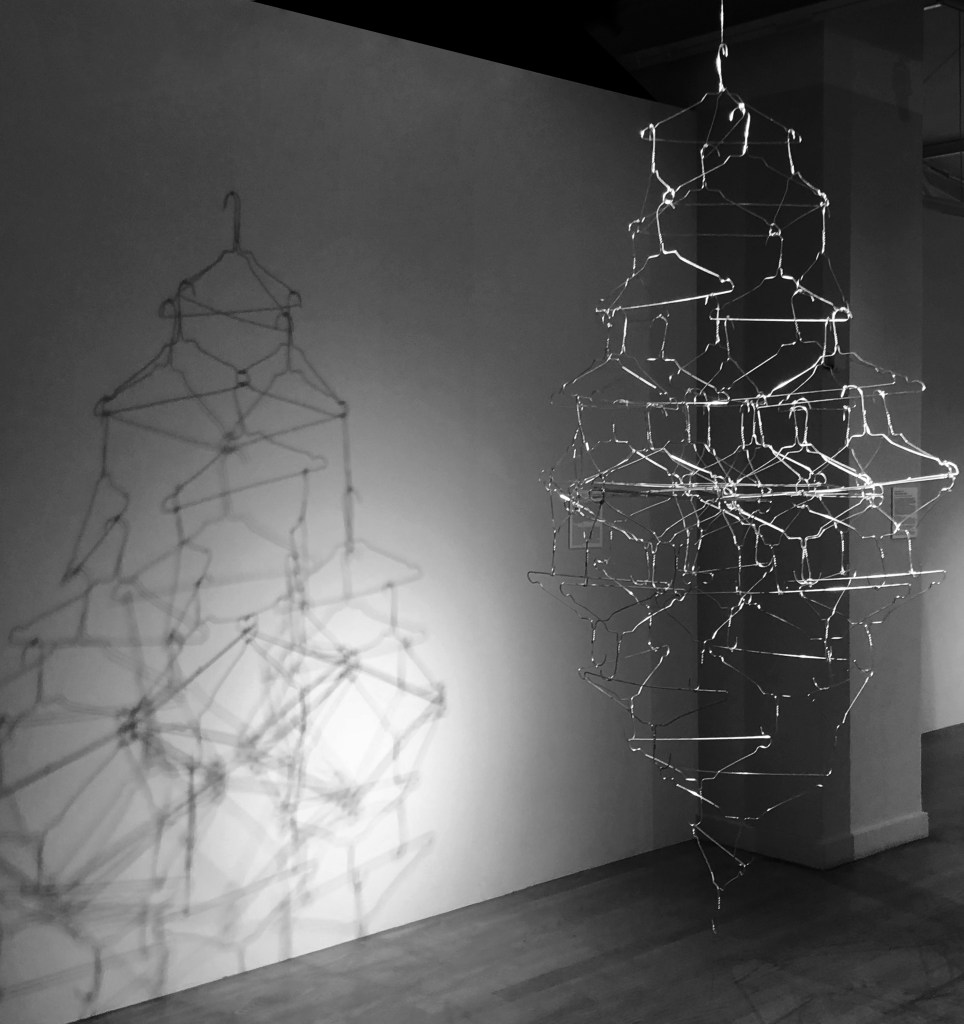
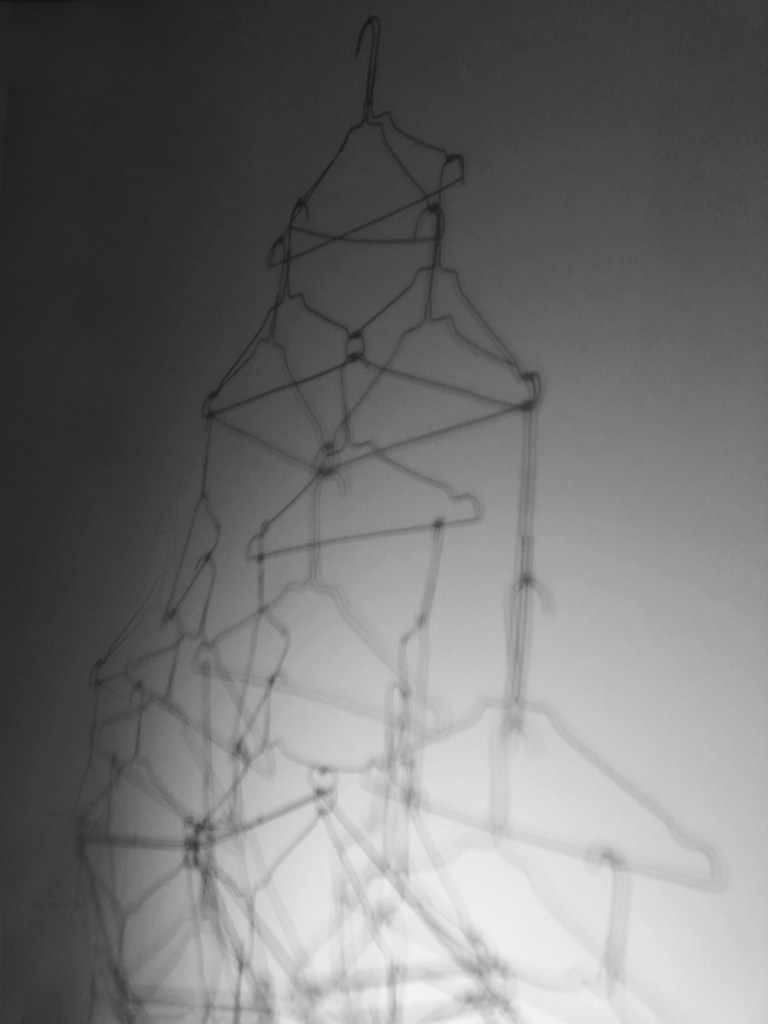
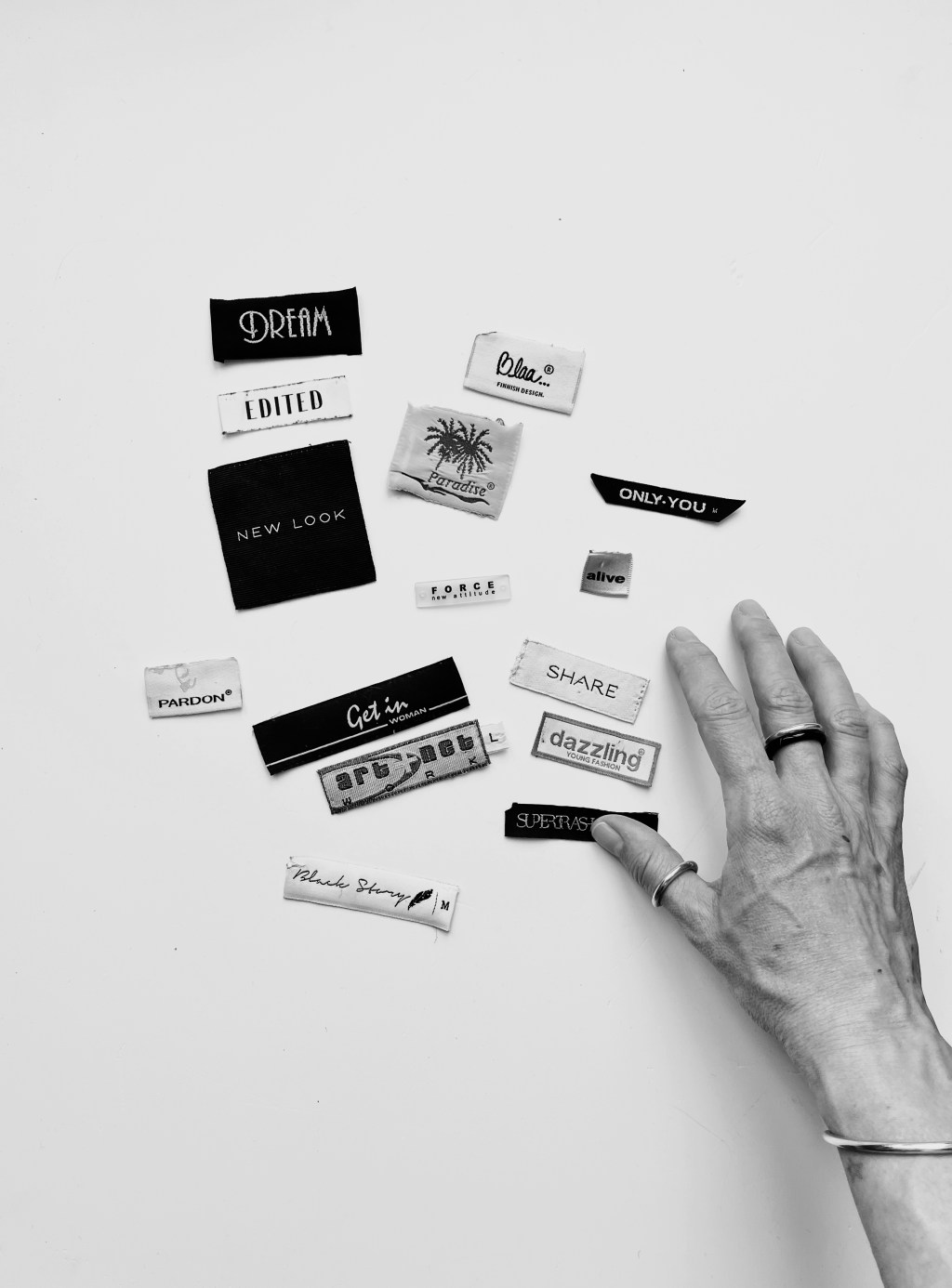
With this work, I aim to explore the historical and ongoing impact of fashion and religion on the female body, including how they have historically restricted and shaped it while establishing standards of beauty and morality. A connection is drawn between fashion, representing the physical and aesthetic, and religion, embodying moral and spiritual values, through a seemingly mundane object: the clothing hanger. Despite its unchanged design throughout history, its significance has evolved. It now encompasses various symbols and metaphors, both aesthetic and ethical. In the 1960s/70s, it was adopted as a symbol by both pro-life and pro-choice advocates. Subsequently, runway models were derisively labeled as “walking hangers” due to their slim physiques, sparking discussions on beauty norms, body diversity, and eating disorders perpetuated by the fashion industry.
Through this artistic exploration, i intertwine hangers to create a “net,” forming a puppeteer-like installation or a large cradle toy, reminiscent of traditional Lithuanian straw “sodai”. This contemplation delves into the captivating yet manipulative role of fashion as a contemporary form of religion, influencing individuals from the cradle to the grave.
 FASHION EROSION